
Bidet Installation
Mount a bidet seat or attachment on your toilet, with the water supply and power it needs.
A toilet has only a few moving parts, but a failed one can waste hundreds of gallons a day or flood a bathroom. Most toilet trouble traces back to the flapper, the fill valve, the wax ring or a clog. When the bowl is rising or water seeps around the base, turn the supply valve off before dialing.
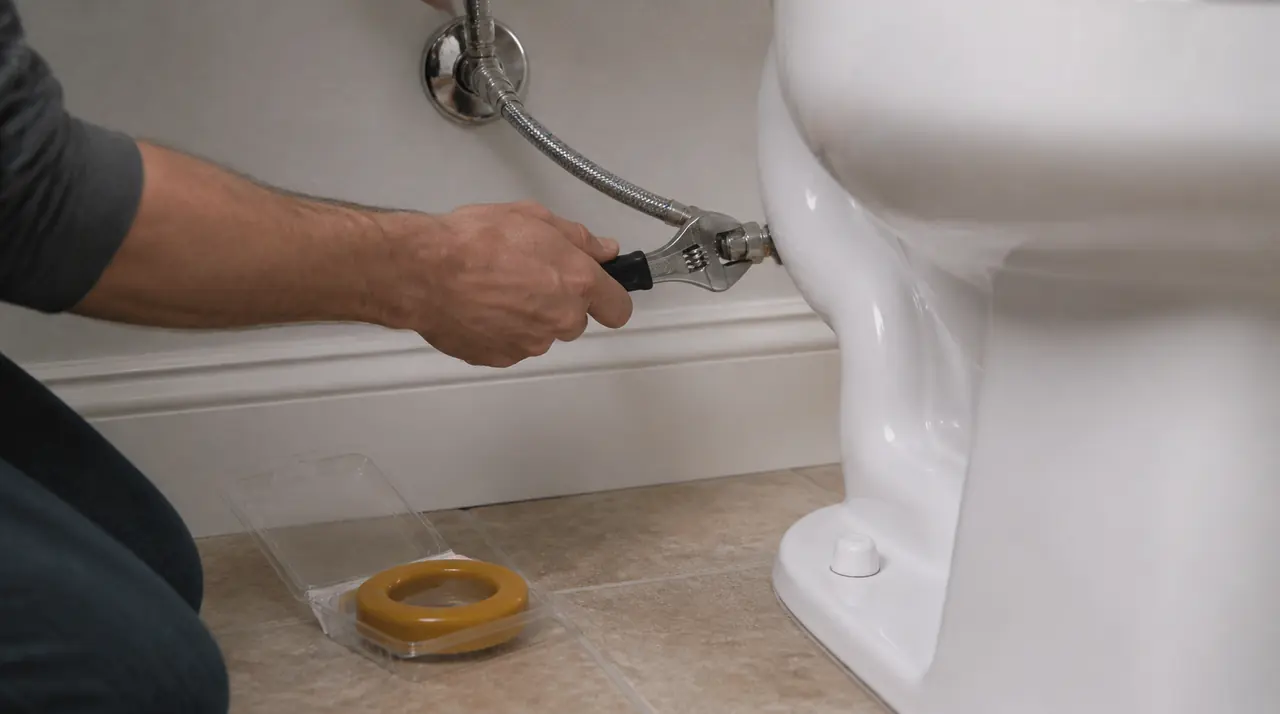
Close the supply valve behind the bowl to stop any overflow.
Open the tank and observe. A trickle running down the overflow tube means the fill valve needs adjusting or replacing. If the tank drains into the bowl, the flapper is not sealing. A dye tablet in the tank shows a flapper leak within minutes if color reaches the bowl.
A running toilet can add thousands of gallons to a bill in a month without any noise. Because the leak is silent, it is a common cause of a surprise water bill.
Water around the foot of the toilet usually means the wax ring has failed, or the closet bolts have loosened and the bowl rocks. A rocking bowl breaks the seal and soaks the subfloor.
Pull the toilet, scrape the old wax, check the flange and set a new ring. If the flange is cracked or sits below the finished floor, a repair ring or a flange extension is needed.
Lafayette water is hard by a regional estimate, around 9 grains per gallon. Mineral scale may plug the tiny rim jets and foul the fill valve.
If a house has a softener, check the toilet parts anyway. Rubber flappers wear out in a few years whatever the water.
A flapper is a quick fix. A subfloor is another story.
Ask whether the quote includes a new wax ring, supply line and shutoff valve.
A plunger with a flange cup clears most clogs. A closet auger reaches past the trap if a plunger fails. Repeated clogs across the house point to the main line, and a camera look is worth considering.
A weak flush can stem from mineral scale in the rim jets, which hard water causes. Cleaning the jets and checking the water level in the tank often restores the flush.
Measure the rough-in, meaning wall to drain center, before you go shopping. Most are 12 inches, but older homes can differ. Pick a bowl height and shape that suits the people who use it.
Water-saving models flush with less water, and a well-designed bowl clears well. Ask the installer to check the flange and the shutoff valve, and to replace the supply line while the old toilet is out.
Gravity flush toilets are common and simple. Pressure-assist models use a sealed tank with air pressure for a strong flush, and they are louder. Dual-flush units offer a half flush and a full flush.
A tall bowl, called comfort height, is easier for many adults to use. Check the rough-in distance before buying, and ask whether the model has a well-reviewed flush performance.
Mount a bidet seat or attachment on your toilet, with the water supply and power it needs.
Free up a backed-up sink, tub, washer drain or main line, then learn what caused it.
End drips, weak flow, stuck shutoffs and dripping outdoor spigots.
Water seeping from the tank into the bowl forces the fill valve to top it up. A worn flapper is the usual cause.
Often an hour or two when the flange is sound.
A tight bolt may fix a rocking toilet. A failed wax ring needs the toilet lifted.
Yes, at night or on a weekend. Turn the stop valve behind the bowl, and if water still fills it, raise the tank lid and push the flapper closed. Then explain to the dispatcher what is happening.
Turn the stop valve clockwise, then phone the all-hours line and describe how the water is behaving.
Service area centered on Lafayette and nearby Boulder County cities.