
Sewer Camera Inspection
See the lateral in a house from the 1900s before approving work.
Longmont is the larger city north of Lafayette, a former colony town on St. Vrain Creek with a wide mix of housing from the earliest streets to the newest subdivisions. Facing flooding or a sewage backup at this moment? Phone the all-hours number and recite your street address to the dispatcher.
Tell the dispatcher which part of town you are in and how old the house is.
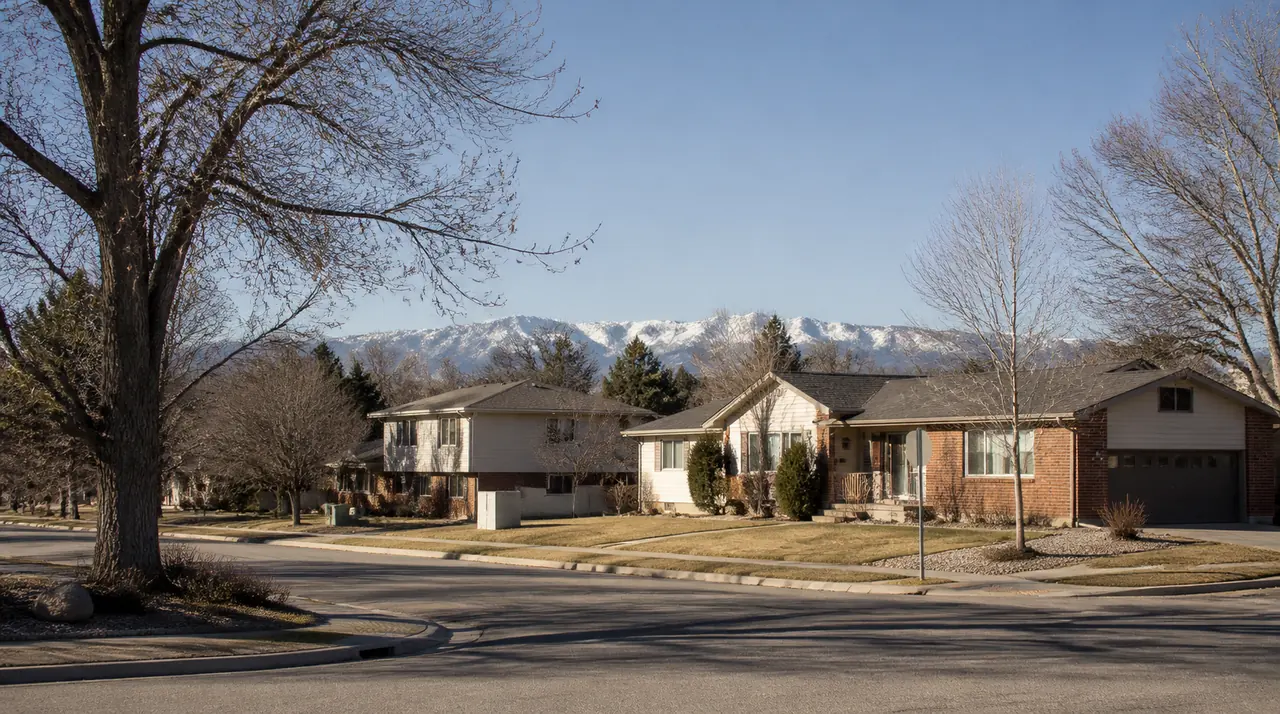
Longmont was founded in 1871 by the Chicago-Colorado Colony and incorporated in 1885, the first planned community in Boulder County. The city is named after Longs Peak. It reaches into Weld County on the east, and in 2020 it counted 98,885 residents.
Downtown and the streets around it hold some of the oldest houses on this list. Cast iron drains, galvanized supply pipe and clay laterals all turn up in houses of that age. A camera inspection is the plain way to find out which one you have.
With 41,680 housing units, Longmont has post-war ranches, 1970s and 1980s subdivisions, and large newer developments on the edges. Prospect New Town was Colorado's first New Urbanist project.
The age of the house decides the problem. Older homes see pinhole leaks and slow drains, while newer ones see fixture wear and water heater scale. See water heater repair for what to check when a tank fails, and toilet repair for the common fixture fixes.
Need urgent plumbing in 80501, 80502, 80503 and 80504? Calls from those ZIP codes and nearby blocks are answered by the all-hours line. Think of the list as a pointer, not a guarantee of service. Longmont stretches into Weld County, so read out your street address along with the closest cross street.
Open any card for the full rundown. The short notes explain why the job is common in Longmont.
See the lateral in a house from the 1900s before approving work.
Tank failures across every decade of Longmont housing.
Separate a pipe leak from groundwater in a basement.
Bathroom remodels change drains, vents and valves.
Common fixture repairs across older and newer homes.
Drying after a basement leak or storm water entry.
St. Vrain Creek runs just south of the city center, and basements near the creek corridor can see damp floors and slow floor drains after heavy rain or spring melt.
If water appears in a basement, find out first whether it is coming from a pipe or from the ground. A leak detection visit can separate the two, and water damage restoration handles drying when the structure is wet.
Many Longmont houses are getting new kitchens and bathrooms, and plumbing is a big part of that work. Moving a sink, adding a second bath or swapping a tub for a walk-in shower changes drains, vents and valves.
See shower and bathtub installation for how a replacement is planned, and disposal installation for the sink side. Ask who pulls the permit, because Longmont has its own building division.
The coverage list uses 80501 through 80504 for Longmont. Because the city crosses a county line, your street address is the better test of coverage.
It is possible in houses from the early and mid 1900s. Clay and cast iron laterals can crack or let roots in. A camera inspection shows the pipe before any digging is priced.
Yes. Plumbing permits inside city limits come from the City of Longmont. Ask the contractor to confirm the permit before the visit.
It can mean the main sewer line is under strain or that groundwater is entering the system. Call early and ask about a camera look and a cleaning.
Yes. Nobody hangs up the phones at night or on holidays. Tell the dispatcher where you are and what broke, and you are passed to a nearby contractor whose own schedule sets the arrival time.
Residents of those ZIP codes and the streets beside them dial the same number. Whether a contractor serves your exact block varies, so check during the call.
Call the 24/7 line, give the street address and describe what you see.
Call (720) 743-9476(720) 743-9476 · day and nightLongmont, Colorado and the surrounding area.