
Repiping & Whole-Home Pipe Replacement
For century-old houses with original supply lines.
Boulder lies west of Lafayette at the foot of the Flatirons, with older bungalows near downtown, a large rental market and a university campus. Facing flooding or a sewage backup at this moment? Phone the all-hours number and recite your street address to the dispatcher.
Renters need to alert the landlord first and say so when phoning.
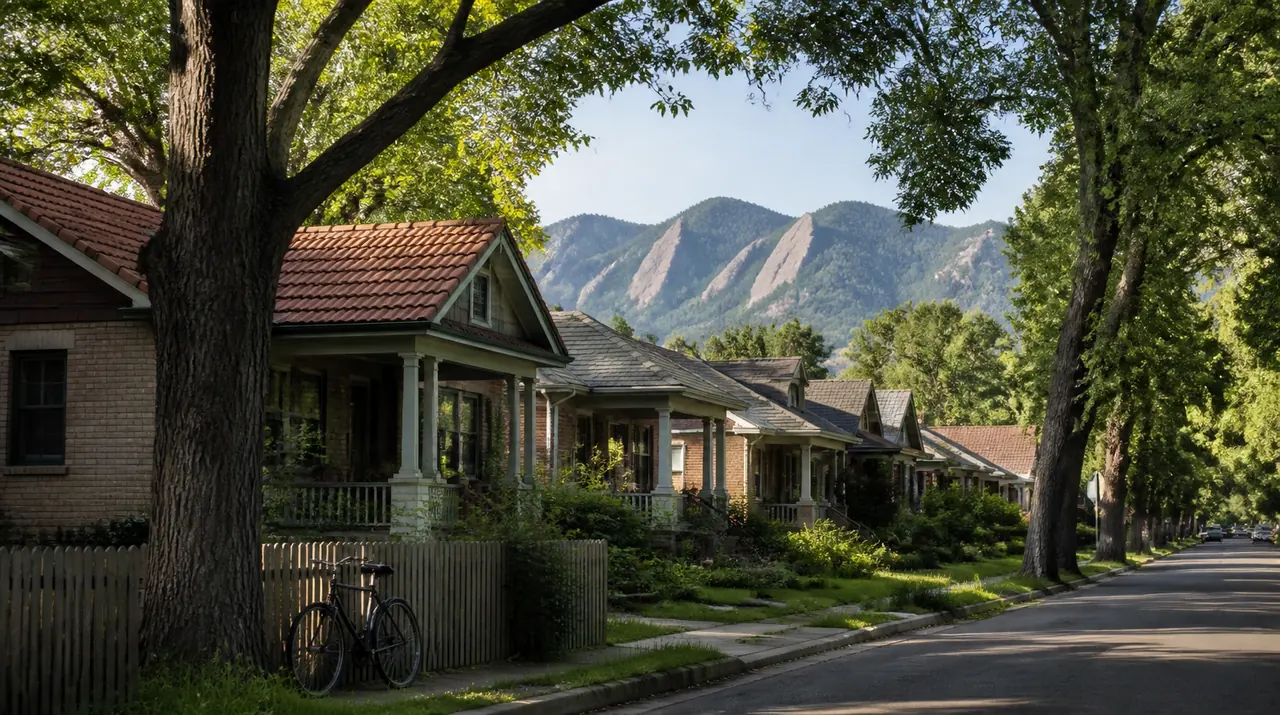
Boulder was incorporated in 1871 and the University of Colorado opened in 1877, so neighborhoods near downtown and the hill hold houses a century old or more. A 1972 ordinance limits building height to protect views of the Flatirons, and many streets still feel low and leafy.
Houses that old can have clay laterals, lead-solder joints and galvanized pipe in the walls. A sewer camera inspection is worth booking before a purchase, and repiping should be priced if the supply lines are original.
With the university contributing about 46,000 residents, Boulder has a high share of renters, shared houses and small apartment buildings. Water from one apartment can reach the one beneath it within a few hours.
Renters should report the leak to the landlord or manager and photograph the damage. If water has already soaked a floor or wall, water damage restoration covers the drying, and it is a separate job from the plumbing repair.
Need urgent plumbing in 80301 through 80310 and 80314? Calls from those ZIP codes and nearby blocks are answered by the all-hours line. Think of the list as a pointer, not a guarantee of service. Boulder has many ZIP codes, so a street address and the nearest cross street settle coverage faster than the ZIP.
Open any card for the full rundown. The short notes explain why the job is common in Boulder.
For century-old houses with original supply lines.
Look at old clay laterals before a purchase or a dig.
Drying after a leak in a rental or shared building.
Basement drains near the creek corridor after storms.
Foothill homes see the hardest freezes.
Leaking hose bibs left connected through the cold months.
Boulder Creek runs through the city, fed mostly by snowmelt from the mountains to the west. Spring melt and summer storms can raise groundwater and test basement drains and sump areas near the creek corridor.
A strained sewer line usually betrays itself first at floor drains and basement baths. Whenever several drains slow following a storm, drain cleaning is the first step, and hydro jetting helps when grease or roots are the cause.
Homes on the western edge of the city and in nearby canyons see the hardest cold. Pipes in exterior walls, crawl spaces and unheated rooms are the ones that split.
Boulder County lists a 30 inch frost depth, so buried lines should sit below that. Know where the main valve is, and read about burst pipe repair before the first hard freeze. A leaking outdoor spigot that was left connected to a hose is a frequent cause.
80301 through 80310, plus 80314. Some of those codes cover campuses or PO boxes, so use your street address when you call.
Tell the landlord or property manager first. If water is still flowing, shut off the nearest valve and call the line, and mention who owns the unit.
Not always. Only a camera pass reveals if the lateral has cracks, roots or a sag. Many clay pipes hold up for decades, and spot repair may be enough.
Plenty of work, from a water heater swap to a gas line, and the City of Boulder issues them inside city limits. Ask the contractor to confirm the permit before the visit.
Yes. Nobody hangs up the phones at night or on holidays. Tell the dispatcher where you are and what broke, and you are passed to a nearby contractor whose own schedule sets the arrival time.
Residents of those ZIP codes and the streets beside them dial the same number. Whether a contractor serves your exact block varies, so check during the call.
Call the 24/7 line, give the street address and tell the dispatcher whether you own or rent.
Call (720) 743-9476(720) 743-9476 · day and nightBoulder, Colorado and the surrounding area.