
Water Filtration Installation
Add a whole-house or under-sink filter to improve taste, smell or clarity.
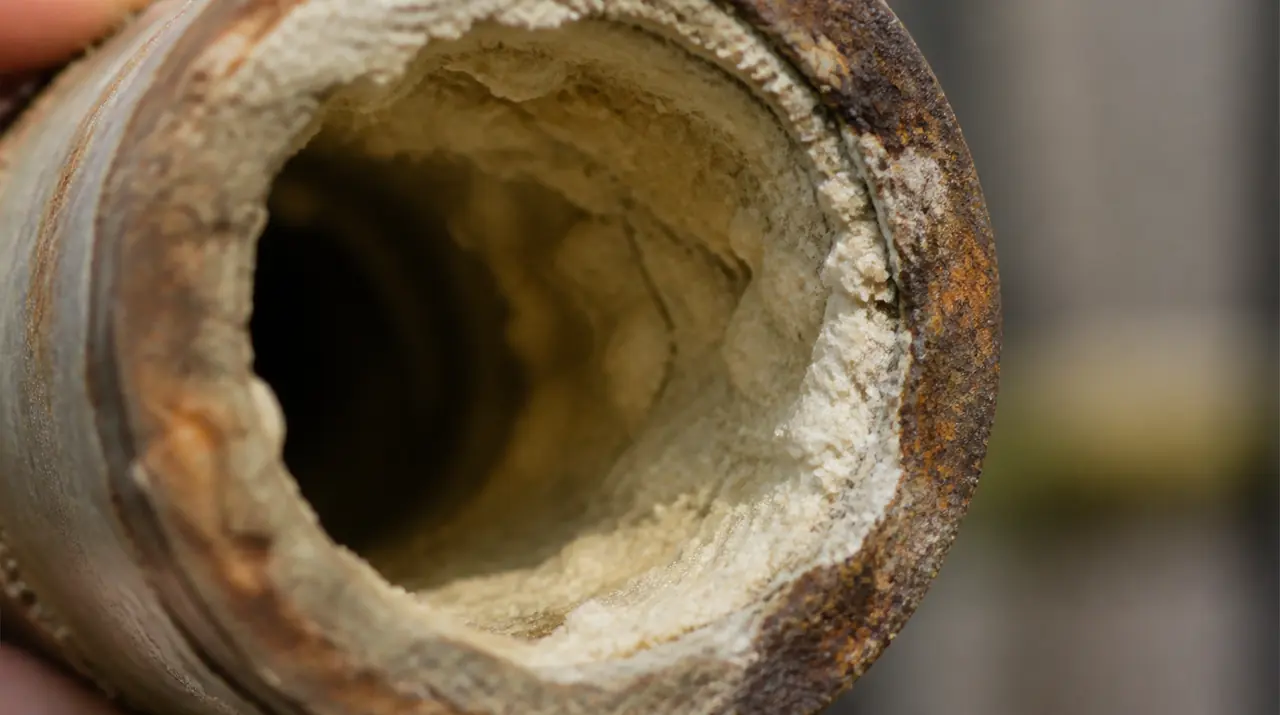
Hard water leaves white scale on fixtures, shortens the life of heaters and makes soap scum. A softener swaps the minerals for sodium or potassium, and it works for years if the resin, the valve and the salt are looked after.
Check the salt level and the brine tank for a salt bridge before you call.
A regional estimate from waterhardness.org lists the Lafayette ZIP code at roughly 156 milligrams per liter, about 9 grains per gallon, which counts as hard. The figure is an estimate and the exact level varies by location and season.
A hardware-store test strip, or a lab analysis, puts a number on your tap water. A plumber uses that number to size the softener.
A resin tank holds tiny beads that grab calcium and magnesium as water passes through. When the beads are full, the unit runs a regeneration cycle that flushes them with brine and rinses the minerals down the drain.
Installers connect the unit near the main water line after the outdoor spigot branch, so lawn water is not softened. A bypass valve lets you shut it out of service.
Hard water leaves scale on tank heaters and tankless heat exchangers, which is why many owners soften. A softener protects the heater, but it is not a complete answer to every taste or odor problem.
Ask the contractor where the softener's discharge goes, and whether local rules limit what can go down the drain. The city's water utility issues a yearly quality report that any resident can read.
Cost depends on capacity and on how simple the install is.
Ask for the unit's capacity, the salt use per cycle and the warranty terms.
A salt bridge, a hard crust in the brine tank, stops the unit from making brine. It can look like a full tank of salt while the unit fails to soften. Breaking the bridge and checking the brine line often fixes it.
Other faults include a failed valve, a worn resin bed, a clogged injector and a control board that has lost its settings. A hardness test at the tap shows whether the unit works.
Sodium chloride is the common salt. Potassium chloride does the same job at a higher price, and some households pick it to lower the sodium in wastewater. Use salt pellets or block salt that the maker recommends.
Refill when the tank is a third full, clean the tank once a year and check the drain line for kinks. A drain connection that discharges to a floor drain or standpipe needs an air gap.
Every softener carries a capacity rating, counted in grains of hardness removed between regeneration cycles. The installer multiplies the household's water use by the hardness to choose the size. A unit sized close to demand regenerates often, which wastes salt and water.
Set the hardness and the regeneration schedule on the control head. A well-set unit regenerates at night when no one is using water, and the settings can be adjusted if the hardness changes.
The resin beads wear out slowly, and chlorine in city water shortens their life. A resin bed that stops softening after many years may be spent and need replacing, while the rest of the unit stays in service.
If the water is hard even though the tank has salt and the unit regenerates, test the water coming out. A failed resin bed or a leaking control valve could let hard water bypass the tank.
Add a whole-house or under-sink filter to improve taste, smell or clarity.
Track down cold showers, rumbling noises, leaks and a pilot light that keeps going out.
Descale a tankless unit, clear its error codes or replace it with a new one.
It depends on use and hardness. Most units regenerate every few days.
It contains more sodium. Some households keep a tap of unsoftened water or use potassium.
Typical reasons include empty salt, a hardened salt bridge, a faulty valve or worn-out resin.
Someone is on the phone all night. Put the softener into bypass, or close its supply valve, and then dial.
Call, share the hardness reading if you have one, and ask about a softener install or repair.
Service area centered on Lafayette and nearby Boulder County cities.